
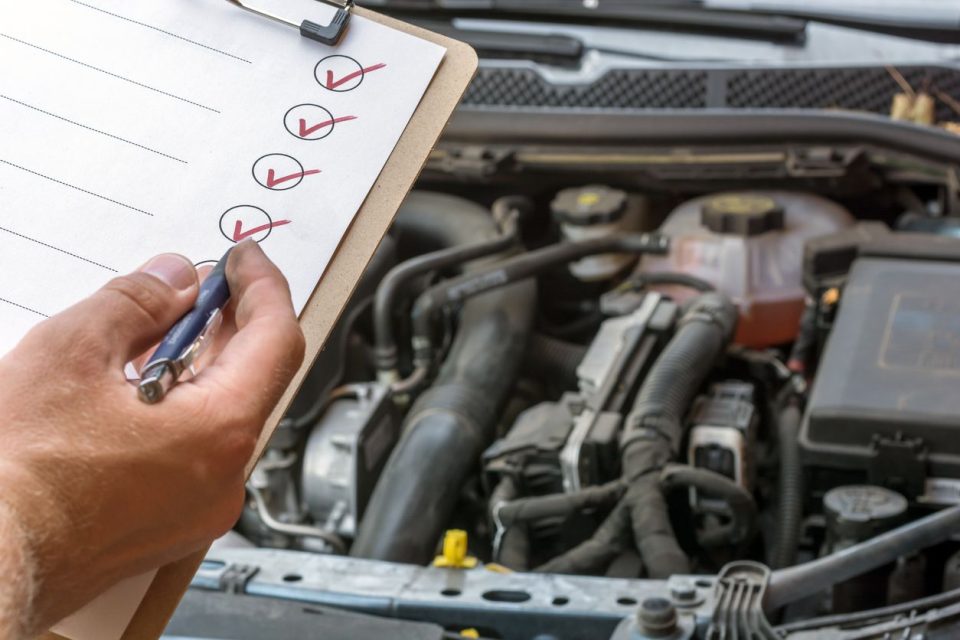
A car is more than just a mode of transport—it’s a long-term investment. While modern vehicles are built to last, their true lifespan depends heavily on how well they’re maintained. Regular maintenance isn’t just about avoiding breakdowns; it’s about preserving performance, safety, and value over time. Small, consistent care can add years to your car’s life and save you from expensive repairs down the road.
Why Regular Car Maintenance Matters
Every component in a vehicle works as part of a system. When one part is neglected, it puts extra stress on others. Routine maintenance ensures that all systems operate efficiently, reducing wear and preventing minor issues from escalating into major failures.
Key benefits include:
- Improved engine performance
- Better fuel efficiency
- Enhanced safety and reliability
- Higher resale value
Engine Care: The Heart of Your Vehicle
The engine is the most critical and expensive part of your car. Keeping it in good condition is essential for longevity.
Essential engine maintenance includes:
- Regular oil changes to reduce friction and overheating
- Timely replacement of oil and air filters
- Checking coolant levels to prevent engine overheating
Clean oil and proper lubrication allow engine components to move smoothly, significantly reducing internal wear.
Transmission Maintenance Prevents Costly Repairs
Transmission issues are among the most expensive car repairs. Regular servicing can help avoid them entirely.
Best practices for transmission health:
- Checking and replacing transmission fluid as recommended
- Addressing gear-slipping or delayed shifting early
- Avoiding aggressive driving habits that strain the system
A well-maintained transmission ensures smooth power delivery and extends the overall life of the vehicle.
Brake System Maintenance Ensures Safety and Longevity
Brakes don’t just keep you safe—they also protect other components by preventing excessive strain during sudden stops.
Routine brake care involves:
- Inspecting brake pads and rotors
- Replacing worn components before they damage others
- Monitoring brake fluid levels
Ignoring brake maintenance can lead to rotor damage and reduced stopping power, increasing repair costs and safety risks.
Tire Care Reduces Wear on Suspension and Steering
Tires are your car’s only contact with the road. Poor tire maintenance affects handling, fuel economy, and suspension components.
To extend tire and vehicle life:
- Maintain proper tire pressure
- Rotate tires regularly
- Align wheels to prevent uneven wear
Healthy tires reduce stress on steering and suspension systems, helping them last longer.
Fluid Checks Keep Systems Running Smoothly
Cars rely on several fluids besides engine oil. Neglecting them can cause system failures that shorten your car’s lifespan.
Important fluids to monitor:
- Coolant
- Brake fluid
- Power steering fluid
- Windshield washer fluid
Keeping fluids at proper levels ensures smooth operation and prevents overheating or corrosion.
Electrical System Maintenance Prevents Unexpected Failures
Modern vehicles depend heavily on electronics. A weak battery or faulty wiring can cause starting issues and system malfunctions.
Regular checks should include:
- Battery health and terminal cleanliness
- Inspection of lights, sensors, and fuses
- Addressing warning lights promptly
A healthy electrical system ensures reliability and prevents sudden breakdowns.
Protecting Your Car’s Exterior and Interior
Maintenance isn’t limited to mechanical parts. Protecting the body and interior also contributes to longevity.
Simple steps make a big difference:
- Washing and waxing to prevent rust and paint damage
- Cleaning the interior to preserve materials
- Parking in shaded or covered areas when possible
A well-kept exterior protects structural integrity and maintains resale value.
Long-Term Financial Benefits of Regular Maintenance
While maintenance costs money upfront, it saves significantly more in the long run. Preventive care reduces the likelihood of major repairs and extends the time before replacement becomes necessary.
Regular maintenance helps you:
- Avoid sudden, expensive breakdowns
- Maintain better fuel efficiency
- Increase your car’s market value
FAQ: Regular Car Maintenance and Vehicle Lifespan
1. How often should I service my car to extend its lifespan?
Most vehicles benefit from servicing every 5,000–10,000 miles, but always follow the manufacturer’s recommendations.
2. Does skipping oil changes really damage the engine?
Yes. Skipping oil changes increases friction and heat, leading to accelerated engine wear and potential failure.
3. Can regular maintenance improve fuel efficiency?
Absolutely. Clean filters, proper tire pressure, and fresh oil help the engine run efficiently, using less fuel.
4. Is preventive maintenance cheaper than repairs?
Preventive maintenance is significantly cheaper than major repairs caused by neglected components.
5. How does tire maintenance affect the rest of the car?
Properly maintained tires reduce strain on suspension, steering, and braking systems, extending their lifespan.
6. Does regular maintenance increase resale value?
Yes. A well-documented maintenance history makes a car more attractive to buyers and increases resale value.
7. Can maintenance really add years to a car’s life?
Consistent care can add several years to a vehicle’s usable life by preventing premature component failure.
Regular maintenance isn’t just a checklist—it’s a long-term strategy. By taking care of your car today, you ensure it remains reliable, safe, and efficient for years to come.