
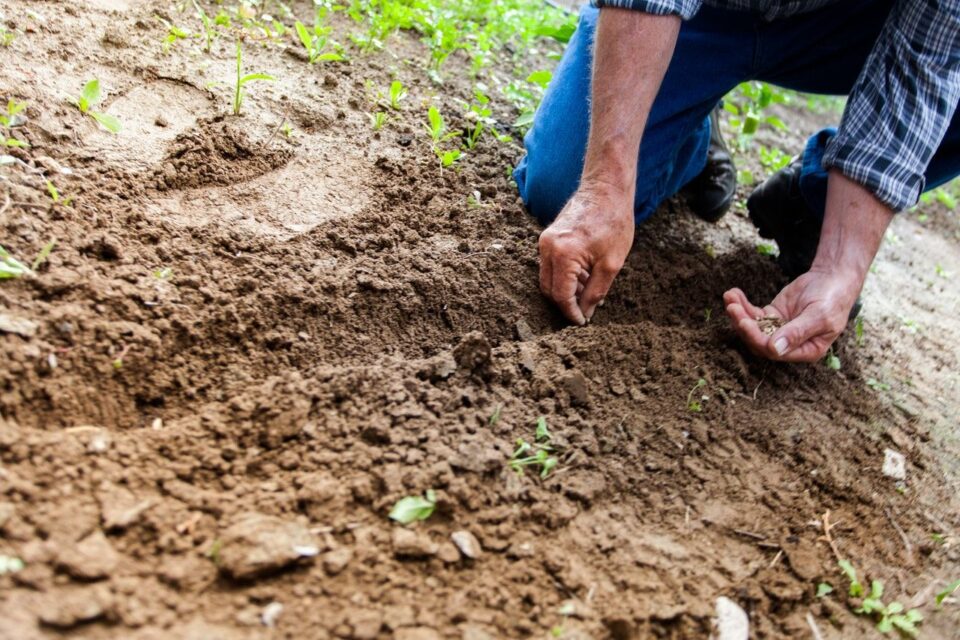
Creating a great-looking wildflower garden in the United Kingdom takes some planning, but it’s definitely possible and well worth it. The seeds will grow into beautiful flowers, which will attract bees and butterflies, and make your home’s exterior a really nice place to look at and rest in.
Here are some tips to keep in mind on when to sow wildflower seeds so you create a vibrant outdoor garden, perfect for supporting local wildlife and spending afternoons with your family and loved ones.
The Ideal Time To Sow Wildflower Seeds
Knowing when to plant wildflower seeds is important because it will directly influence germination rates, your plants’ health and how well your garden will turn out.
Many British specimens require a period of exposure to cold temperatures to trigger sprouting in Spring. Conversely, sowing at inappropriate times will mess up all that and is generally to be avoided.
The best times to sow are during Autumn and Spring. Regarding the former, from mid-September to mid-November is perfect because the soil’s cooler and moist, which matches the natural time wildflowers drop their seeds.
If you miss Autumn, don’t worry. You can also plant in Spring, from mid-March to early May, when it’s warmer and days are longer. Just make sure the soil isn’t too wet or cold, or the seeds might rot.
For the best results, pick a sunny spot with well-draining soil. Clear out any weeds first so they don’t compete for nutrients. Rake the soil so it’s nice and fine to help the seeds settle and sprout.
How to Choose the Right Wildflower Mix for Your Garden
If you want a beautiful garden, that’s how you make it. Different soils, like sandy, clay, or loamy, support certain flowers and others less so. For example, drought-tolerant flowers are great for sandy soil, while those that love moisture are better suited to clay.
So, when you’re buying seeds, you have to factor in the soil. Also, be sure to go for well-known brands that focus on wildflowers. You can find these in garden centres or online. Check the seed packets to see if they’re right for your soil and follow the planting tips.
Lastly, choosing certified or conservation-backed seeds means better quality and helps the environment, too.
Prepare the Soil for Sowing
To cultivate a flourishing wildflower garden, making sure your soil’s ready is non-negotiable. Good soil not only helps plants grow but also makes your garden lively and full of pollinators.
Start by getting rid of any weeds and grass. They compete with your wildflowers for space and nutrients. Use a garden fork or tiller to dig up the soil to a depth of about 6 inches. This helps with drainage and lets roots grow deep to soak up water.
Then, check your soil’s pH with a kit you can grab from a garden store. Wildflowers like soil that’s slightly acidic to neutral, around pH 6.0 to 7.0. If you need to tweak it, just add some lime to cut the acidity or sulfur to boost it.
Adding organic materials like compost or old manure is also required. Sprinkle about a 2-inch layer over the soil and mix it in well.
Sowing Technique
You want about 1 ounce of seeds per 100 square feet to ensure they grow well without being too crowded. Try also mixing your seeds with sand. It’s a smart way to spread them out evenly. Mix three parts sand with one part seed.
This keeps them from clumping together, giving each seed enough space to sprout.
When planting, keep it shallow. Wildflower seeds need light, so don’t plant them deeper than 1/8 inch. Use a light rake to just cover them, but be careful not to bury them too much.
As for spreading, use a seed spreader or just scatter them by hand if it’s a small area. These steps will help your wildflowers grow strong and healthy.
Aftercare Practices for Wildflower Success
Taking care of a wildflower garden is all about keeping the flowers healthy. Watering at the right time is really important, especially when it’s dry. Giving your garden a good soak once a week helps plants grow strong roots.
If your soil is sandy, you might need to water more because it drains fast.
Using fertiliser wisely is just as important as overdoing it can make the leaves grow big at the cost of getting fewer flowers. Wildflowers usually do best in low-nutrient soil, just like the wild. If you need to boost the soil, use a balanced, slow-release fertiliser, but go easy on it.
Keeping weeds in check is also crucial for they compete with your flowers for water and nutrients. Pull them out by hand, especially when the flowers are young. For larger areas, use a hoe, but be careful not to disturb the wildflowers’ roots.
Putting down some organic mulch can help keep weeds away, as well as keep the soil damp.
Common Challenges and Solutions
Gardening with wildflower seeds is pretty straightforward but knowing what to look out for makes it way easier and more fun.
Here are some usual issues gardeners face and how you can handle them:
Poor Germination Rates
This usually happens because of poor soil or insufficient water. So, make sure your soil’s in good condition and keep it moist, but not soaked.
Checking the pH is worth it since seeds like it a bit acidic to neutral. Getting seeds from a good source also ups your chances of them growing well.
Pest Issues
Bugs like aphids, slugs, and snails can mess with your wildflowers. Bringing in bugs like ladybirds helps control aphids naturally.
For slugs and snails, using copper tape can keep them away. Also, keeping your plants strong with good watering and nutrients helps fight off these pests.
Aggressive Weeds
Weeds are like bullies stealing stuff from your wildflowers. Keeping an eye out and pulling weeds by hand works, especially in small gardens.
In larger spaces, using natural mulch is an effective way to prevent weeds and keep the soil moist.
Conclusion
Wildflower gardening is a great way to brighten up your garden and support local wildlife. Use these tips, and you’ll have no problem creating your little piece of green haven outdoors.
And when your wildflowers bloom, they’ll not only look beautiful but also support pollinators. This will add colour and liveliness to your British home’s exterior and give you much joy throughout the year.