
The automotive industry continues to shape modern transportation with advancements in technology, efficiency, and design. This sector has moved beyond merely producing vehicles, integrating smart technology, sustainability, and automation to redefine mobility. Understanding these aspects provides valuable insight into the present and future of automobiles.
Technological Advancements in Automobiles
Automotive technology has seen a remarkable transformation, making vehicles safer, more efficient, and increasingly connected. The integration of artificial intelligence (AI), the Internet of Things (IoT), and advanced driver-assistance systems (ADAS) has redefined what consumers expect from modern vehicles.
-
Autonomous Driving Capabilities
Self-driving technology has progressed significantly, with major manufacturers and tech firms investing in automation. While fully autonomous vehicles are still undergoing testing and regulatory approvals, semi-autonomous features such as adaptive cruise control, lane-keeping assistance, and automated parking are already present in many high-end and mid-range models. -
Smart Connectivity
Modern vehicles come equipped with features that allow seamless smartphone integration, voice control, and real-time data analytics. Features such as remote diagnostics, predictive maintenance alerts, and vehicle-to-vehicle communication enhance convenience and safety. -
Enhanced Safety Systems
Advances in safety technology have significantly reduced accident risks. Features such as automatic emergency braking, blind-spot monitoring, and pedestrian detection systems help prevent collisions. Additionally, improved airbag systems and reinforced structures contribute to passenger safety.
The Role of Sustainability in the Automotive Sector
Sustainability is now a central focus in automotive manufacturing, as companies aim to reduce their environmental impact while meeting consumer demand for eco-friendly options.
-
Electric Vehicles (EVs) and Alternative Energy Sources
The shift toward electric vehicles has intensified, with manufacturers developing new models that offer extended battery life, faster charging, and enhanced performance. Hydrogen fuel cell technology is also gaining traction as an alternative to conventional fuel sources, promising zero emissions and high energy efficiency. -
Sustainable Manufacturing Practices
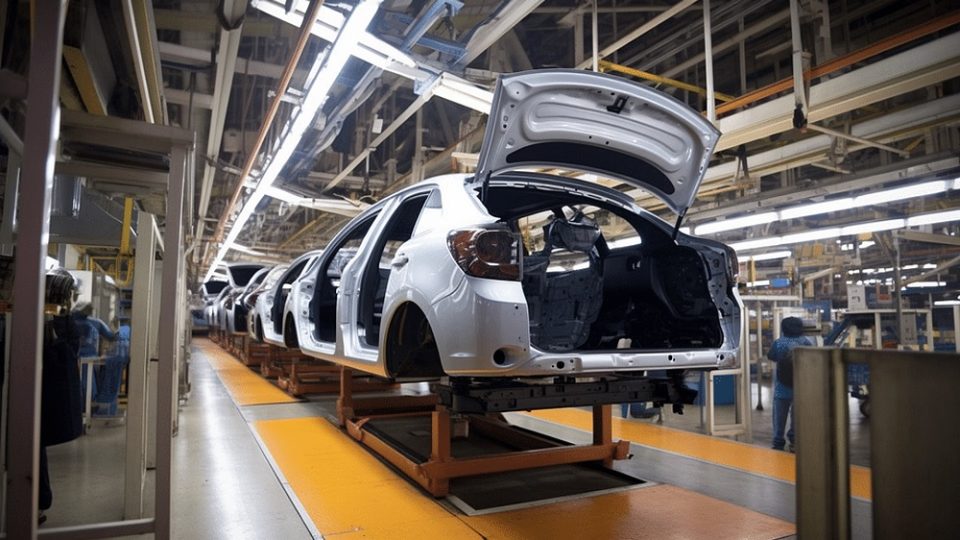
Automakers are adopting sustainable production methods by utilizing recycled materials, reducing waste, and incorporating energy-efficient processes in factories. This commitment to responsible production aligns with stricter environmental regulations and consumer expectations. -
Eco-Friendly Designs
Modern car designs emphasize aerodynamics and lightweight materials to improve fuel efficiency. The use of advanced composites and aluminum reduces overall vehicle weight, contributing to lower energy consumption.
Market Trends and Consumer Preferences
Understanding market trends provides insight into consumer behavior, industry direction, and future innovations.
-
Growing Demand for SUVs and Crossovers
Sport utility vehicles (SUVs) and crossovers have gained immense popularity due to their versatility, spacious interiors, and improved fuel efficiency. Automakers continue refining these models with hybrid and electric variants to appeal to environmentally conscious buyers. -
Personalized and Luxury Features
Customization is becoming a key factor in vehicle purchases. Buyers seek personalized interiors, high-tech entertainment systems, and exclusive finishes. Luxury brands cater to this demand by offering bespoke options that reflect individual preferences. -
The Rise of Subscription and Leasing Models
Traditional car ownership is evolving, with many consumers opting for subscription-based models that provide flexibility and access to various vehicles without long-term commitments. This shift caters to those who prefer convenience and lower financial obligations compared to outright ownership.
The Future of the Automotive Industry
Innovation will continue shaping the automotive landscape, with emerging trends set to redefine how vehicles are designed, manufactured, and driven.
-
Integration of Artificial Intelligence
AI-driven features, such as predictive maintenance, real-time navigation adjustments, and personalized in-car experiences, will enhance driving comfort and efficiency. -
Advancements in Battery Technology
Research in battery technology aims to reduce charging times while increasing energy density and longevity. Solid-state batteries, expected to replace traditional lithium-ion counterparts, promise improved performance and safety. -
Urban Mobility Solutions
The development of electric scooters, shared mobility platforms, and compact city cars reflects a shift toward efficient urban transportation solutions. Automakers are exploring new ways to integrate vehicles into smart city infrastructures, promoting sustainable mobility.
The automotive industry remains a dynamic field driven by technology, sustainability, and consumer demand. As advancements continue, vehicles will not only serve as modes of transportation but also as intelligent, efficient, and environmentally responsible solutions for modern mobility.