
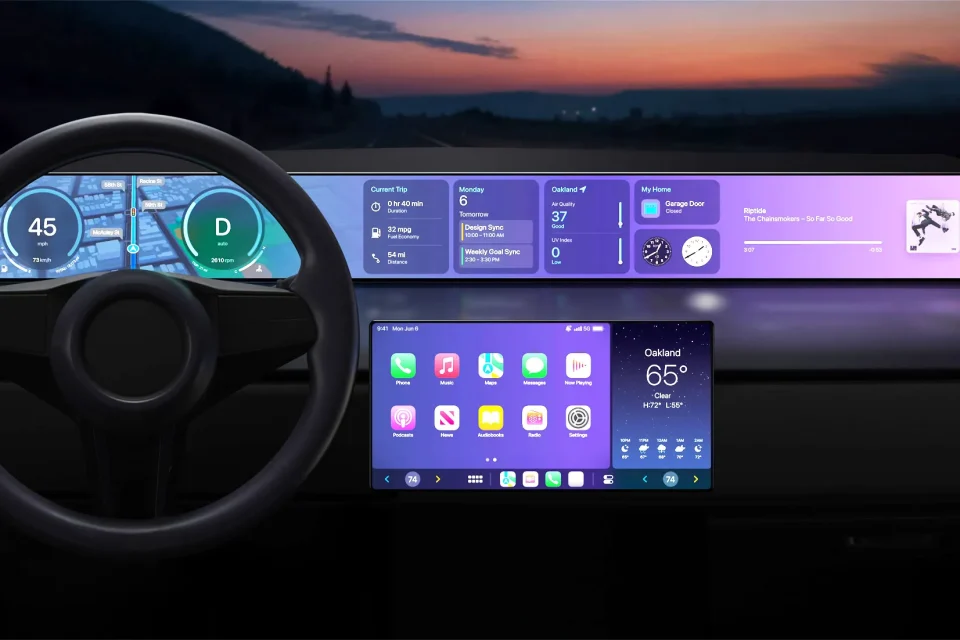
The automobile sector has changed more in the past decade than in the previous fifty years. What was once centered on engines and horsepower is now shaped by software, electrification, safety systems, and sustainability. Whether you’re a daily commuter, first-time buyer, or enthusiast, understanding today’s auto landscape helps you make smarter decisions.
How Cars Have Evolved Beyond Transportation
Modern cars are no longer just machines that move people from point A to point B. They have become connected, intelligent systems designed to improve comfort, efficiency, and safety.
Key transformations include:
-
The shift from purely mechanical systems to computer-controlled platforms
-
Increased focus on fuel efficiency and emissions reduction
-
Integration of digital interfaces and driver-assistance technologies
Electric Vehicles and Hybrid Technology
Electrification is one of the most important developments in the auto world. While traditional internal combustion engines still dominate many markets, EVs and hybrids are gaining momentum.
Why Electric Vehicles Are Growing Fast
-
Lower operating costs compared to gasoline cars
-
Reduced environmental impact
-
Instant torque and smooth acceleration
-
Fewer moving parts, leading to less routine maintenance
Hybrid Vehicles as a Transition Option
Hybrids combine electric motors with gasoline engines, offering:
-
Improved fuel economy
-
Extended driving range
-
Familiar refueling experience with added efficiency
Advanced Safety Features in Modern Autos
Safety innovation has become a defining factor in vehicle design. Many features that were once considered luxury upgrades are now standard.
Common safety technologies include:
-
Automatic emergency braking
-
Lane departure warning and lane-keeping assist
-
Blind-spot monitoring
-
Adaptive cruise control
-
Rear cross-traffic alerts
These systems don’t replace driver attention, but they significantly reduce the risk of accidents.
In-Car Technology and Connectivity
Today’s vehicles function as mobile tech hubs. Digital integration improves both convenience and driver awareness.
Notable interior technologies:
-
Touchscreen infotainment systems
-
Smartphone integration
-
Voice-activated controls
-
Digital instrument clusters
-
Over-the-air software updates
This connectivity allows manufacturers to update features without physical recalls, extending a vehicle’s usefulness over time.
Choosing the Right Car for Your Needs
Selecting the right auto depends on lifestyle, budget, and long-term goals. A practical approach saves money and frustration.
Key Factors to Consider
-
Daily driving distance and road conditions
-
Fuel type preference
-
Passenger and cargo space
-
Safety ratings
-
Long-term maintenance costs
Buying based on real usage rather than trends ensures better value over the vehicle’s lifespan.
Maintenance and Ownership Tips
Regular maintenance keeps any car running efficiently and preserves resale value.
Basic ownership practices:
-
Follow scheduled service intervals
-
Check tire pressure and alignment
-
Replace fluids and filters on time
-
Address warning lights immediately
-
Keep software systems updated
Preventive care often costs far less than major repairs caused by neglect.
The Future of the Auto Industry
The next phase of automotive development is already taking shape. Innovation is moving toward automation, alternative energy, and shared mobility.
Expected trends include:
-
Increased adoption of autonomous driving features
-
Expansion of charging infrastructure
-
Growth in subscription-based vehicle services
-
Stronger focus on recyclable materials and sustainability
The car of the future will likely be cleaner, smarter, and more adaptable than ever before.
Frequently Asked Questions (FAQ)
What is the biggest change in the auto industry today?
The transition toward electrification and software-driven vehicle systems is the most significant shift.
Are electric cars cheaper to maintain than gasoline cars?
Yes, EVs generally require less maintenance due to fewer mechanical components.
How long do modern cars typically last?
With proper care, many modern vehicles can exceed 200,000 miles reliably.
Is advanced safety technology worth the cost?
For most drivers, safety features provide long-term value by reducing accident risk and insurance costs.
Do software updates really improve car performance?
Yes, updates can enhance efficiency, fix bugs, and add new features without mechanical changes.
Should first-time buyers consider used or new cars?
Used cars offer better value, while new cars provide the latest technology and warranties.
Will gasoline cars disappear completely?
Gasoline vehicles will remain for years, but their market share is expected to decline gradually.