
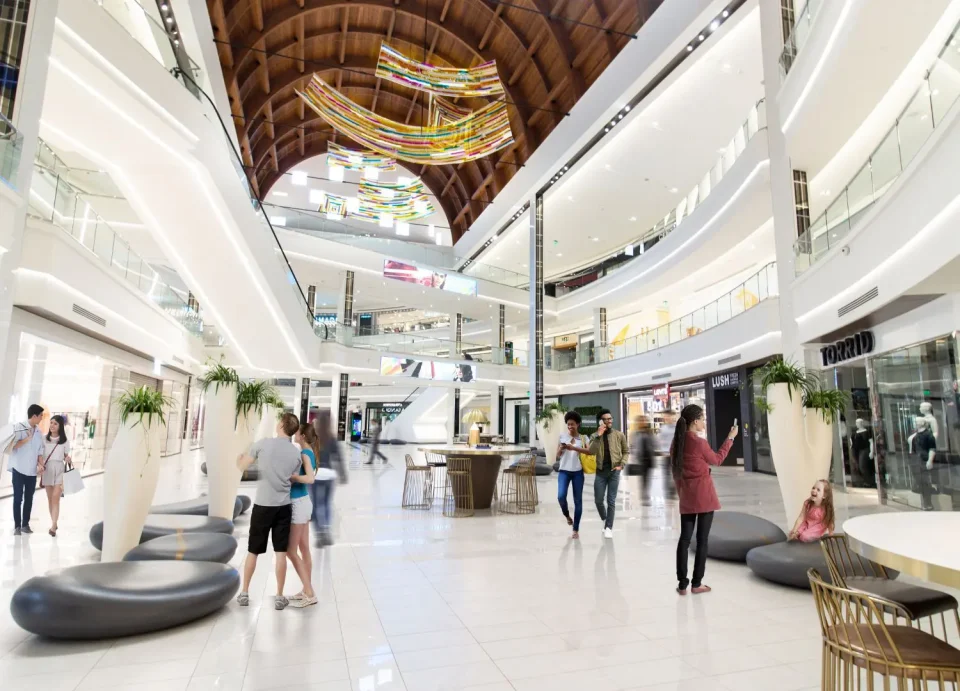
Shopping has evolved from a simple necessity into a dynamic experience shaped by technology, convenience, and personal choice. Whether browsing a local store or completing a purchase with a few taps on a smartphone, today’s shoppers expect speed, value, and trust at every step.
The Evolution of Shopping Habits
Traditional shopping once meant visiting physical stores, comparing products in person, and relying on sales staff for guidance. Today, the rise of digital platforms has transformed how consumers discover, compare, and purchase items.
Key shifts include:
-
Growth of online and mobile shopping
-
Increased reliance on reviews and ratings
-
Demand for personalized recommendations
-
Preference for fast delivery and easy returns
These changes reflect a consumer base that values efficiency without sacrificing quality.
Online Shopping vs. In-Store Shopping
Both methods continue to coexist, each offering unique advantages depending on consumer needs.
Benefits of Online Shopping
-
24/7 accessibility from any location
-
Wider product selection
-
Easy price comparisons
-
Frequent discounts and exclusive online deals
Benefits of In-Store Shopping
-
Immediate product availability
-
Ability to see, touch, and try items
-
Personalized assistance
-
No waiting for shipping
Many shoppers now combine both approaches, researching online before buying in-store or vice versa.
Smart Shopping Strategies for Better Value
Being a smart shopper goes beyond finding the lowest price. It involves making informed decisions that balance cost, quality, and long-term satisfaction.
Effective strategies include:
-
Setting a clear budget before shopping
-
Comparing prices across multiple platforms
-
Reading customer reviews carefully
-
Checking return and warranty policies
-
Watching for seasonal sales and promotions
These habits help reduce impulse purchases and maximize value.
The Role of Technology in Shopping
Technology has redefined the shopping experience, making it more interactive and personalized.
Notable innovations include:
-
AI-driven recommendations based on browsing behavior
-
Mobile payment systems and digital wallets
-
Augmented reality for virtual try-ons
-
Subscription-based shopping models
Such tools empower consumers to shop with confidence and convenience.
Ethical and Sustainable Shopping Trends
Modern consumers are increasingly aware of how their purchases impact the environment and society.
Popular ethical shopping considerations:
-
Supporting sustainable and eco-friendly brands
-
Choosing quality over fast fashion
-
Reducing packaging waste
-
Buying from local or fair-trade businesses
This shift reflects a growing desire to align spending habits with personal values.
The Future of Shopping
Shopping is expected to become even more seamless, blending physical and digital experiences. Concepts like smart stores, voice-assisted shopping, and same-day delivery are shaping what comes next. The focus will remain on personalization, speed, and trust.
Frequently Asked Questions (FAQs)
What is the safest way to shop online?
Use secure websites, enable two-factor authentication, avoid public Wi-Fi for payments, and shop from trusted retailers.
How can I avoid overspending while shopping?
Create a shopping list, set spending limits, and wait before making non-essential purchases to reduce impulse buying.
Are online deals always cheaper than in-store deals?
Not always. Some in-store promotions and clearance sales can offer better value, especially when shipping costs are considered.
How important are customer reviews when shopping?
Reviews provide real-world insights into product quality, performance, and reliability, making them highly valuable.
What should I check before purchasing from a new online store?
Look for clear contact information, return policies, secure payment options, and genuine customer feedback.
How does sustainable shopping benefit consumers?
It encourages higher-quality purchases, reduces waste, and supports responsible businesses.
Will physical stores disappear in the future?
Physical stores are unlikely to disappear but will continue evolving to offer more experiential and service-focused shopping.