
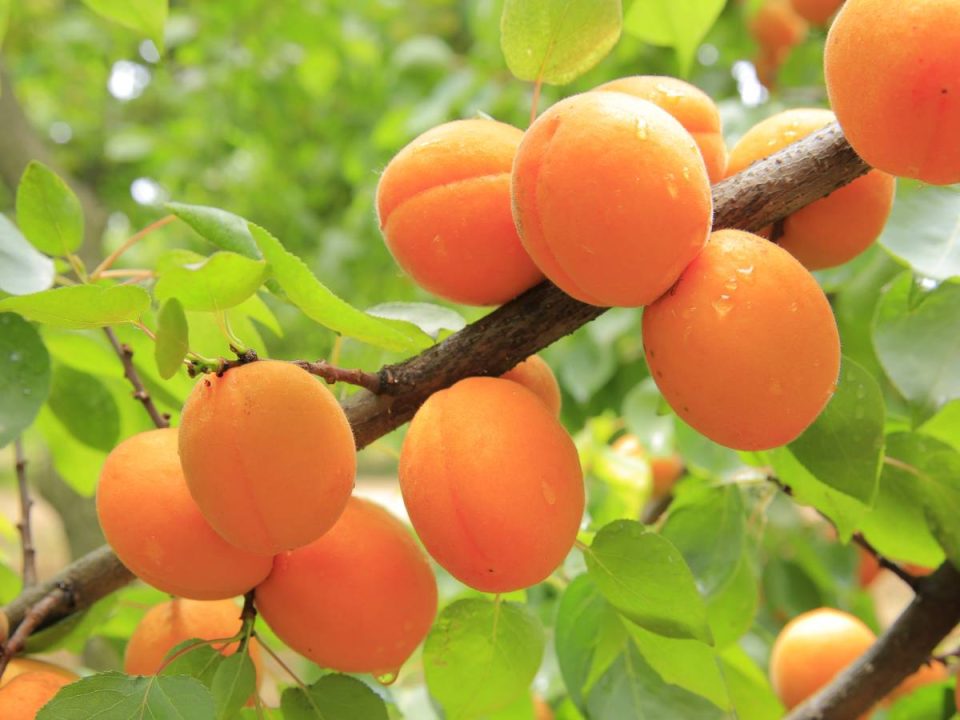
Apricot trees offer British gardeners a rewarding option for home-grown stone fruit, provided varieties are chosen to suit the local climate. These trees can produce juicy, flavourful apricots even in cooler regions, with careful site selection and protection from late frosts. This article examines five top varieties well-adapted for Britain, detailing their characteristics, growing requirements, and benefits.
A nursery specialist at https://www.chrisbowers.co.uk/ notes that apricot cultivation in the UK has advanced significantly with hardy modern varieties, allowing reliable crops in varied conditions. Success depends on rootstock choice and pollination, as most are self-fertile. For those seeking established stock, apricot trees provide a range of options suited to British gardens.
When considering fruit trees for sale, it’s essential to prioritise those bred for resilience against unpredictable weather patterns common across the UK. Apricots, once seen as challenging, now feature prominently in nursery catalogues due to breeding improvements.
Why Choose Apricot Trees for British Gardens?
Apricot trees, scientifically known as Prunus armeniaca, originate from regions with warmer summers than Britain’s, yet selective breeding has produced strains that perform admirably here. The UK’s maritime climate, with mild winters and variable springs, poses risks like frost damage to blossoms, but sheltered positions and protective measures mitigate these. Growing apricots contributes to biodiversity in gardens, supports pollinators, and yields fresh produce low in food miles. Nutritionally, apricots are rich in vitamins A and C, potassium, and fibre, making them a healthy addition to diets. Economically, a mature tree can produce up to 20 kilograms of fruit annually, reducing reliance on imported goods. Environmentally, they enhance carbon sequestration in domestic settings. For urban gardeners, compact varieties fit small spaces, while rural plots accommodate larger specimens. Integration with other fruit trees creates productive orchards, maximising land use. Historical records show apricots introduced to Britain in the 16th century, initially for walled gardens of estates, but now accessible to all through modern propagation techniques.
Selecting the Right Variety
Britain’s diverse regions—from the milder southwest to the cooler north—demand varieties with specific traits like late flowering to avoid frosts or compact growth for containers. All recommended here are self-fertile, eliminating the need for multiple trees. Rootstocks such as St Julien A or Torinel control vigour, keeping trees manageable at 3-4 metres tall when pruned. Soil preferences lean towards well-drained, slightly alkaline conditions, with full sun exposure crucial for ripening. Watering during dry spells and mulching to retain moisture are standard practices. Protection from birds and squirrels, using netting, preserves harvests. Disease resistance varies, but good air circulation prevents issues like bacterial canker.
Tomcot
Tomcot stands out as a premier choice for British conditions, originating from American breeding programmes adapted for cooler climates. This variety flowers later than traditional types, reducing frost vulnerability in spring—a common hurdle in the UK. Fruits ripen in mid-July, offering large, orange-red apricots with firm, sweet flesh ideal for fresh eating or preserves. Yields are consistent, often 10-15 kilograms per tree once established. Tomcot thrives in southern and central England, where accumulated heat units support full maturation, but it also succeeds in protected Scottish sites. Plant in a south-facing position against a wall for added warmth, enhancing microclimate effects. Soil preparation involves incorporating organic matter to improve drainage, as waterlogging leads to root rot. Pruning in late summer, after harvest, maintains shape and encourages fruiting wood. Resistance to apricot-specific pests like aphids is moderate, requiring occasional monitoring. Gardeners report excellent flavour profiles, with notes of honey and almond, distinguishing it from supermarket imports. For those expanding orchards, Tomcot pairs well with other stone fruits, providing cross-pollination benefits despite self-fertility. Longevity exceeds 20 years with proper care, making it a sound investment. In trials by UK horticultural societies, Tomcot frequently ranks high for reliability and taste.
Flavourcot
Flavourcot earns acclaim for its exceptional taste, often described as intensely sweet with a balanced acidity, making it a favourite among connoisseurs. Bred in Canada, it suits Britain’s variable weather through robust hardiness and disease resistance. Blossoms appear in early April, necessitating fleece covers in frost-prone areas like the Midlands or Wales. The medium-sized fruits, golden-orange with a red blush, mature in late July, suitable for desserts, jams, or drying. Productivity is high, with mature trees yielding up to 18 kilograms. Compact growth habit reaches 3 metres, ideal for smaller gardens or patios in urban settings such as London or Manchester. It performs best on loamy soils with pH 6.5-7.5, amended with lime if acidic. Fertilisation in spring with balanced nutrients promotes vigorous growth without excess foliage. Pruning focuses on open-centre forms to maximise sunlight penetration, crucial for even ripening in Britain’s shorter summers. Tolerance to common issues like peach leaf curl is notable, reducing chemical interventions. User experiences highlight its adaptability, with successful crops in coastal regions despite salt-laden winds. Nutritionally, Flavourcot’s fruits boast high antioxidant levels, supporting health-focused gardening. As part of mixed plantings, it attracts beneficial insects, aiding ecosystem balance. Expected lifespan is 25 years, with minimal maintenance beyond annual checks.
Early Moorpark
Early Moorpark, a heritage variety refined over centuries, provides reliable performance in the UK, particularly in regions with longer growing seasons like the southeast. Its early ripening—often by early July—extends the harvest window, appealing to eager gardeners. Fruits are medium-large, yellow-orange with juicy, aromatic flesh perfect for culinary uses from pies to chutneys. Self-fertile and vigorous, it grows to 4 metres on standard rootstocks, suiting larger plots in rural Britain. Frost resistance is fair, but wall training amplifies heat retention, a technique historically used in Victorian gardens. Soil requirements include deep, fertile ground to support root development, with drainage essential to prevent fungal diseases. Mulching with compost conserves moisture during establishment, typically taking 3-4 years to fruit. Pruning in dormant winter removes dead wood and shapes the canopy for airflow. It shows good resilience to bacterial spot, common in humid conditions. Reviews from British allotments praise its consistent yields of 12-15 kilograms, even in suboptimal years. The variety’s history ties to English cultivation since the 1700s, adding cultural value. For biodiversity, it supports pollinator populations during bloom. Long-term, trees can produce for 30 years, offering generational benefits.
Goldcot
Goldcot excels in colder British climates, such as northern England or Scotland, due to its superior winter hardiness derived from Polish origins. Late flowering minimises frost damage, with blossoms in mid-April leading to August harvests. The golden-yellow fruits, medium in size, deliver sweet, tangy flavour suited to fresh consumption or processing. Yields average 15 kilograms on mature specimens, which reach 3.5 metres. It adapts to various soils, including clay-heavy types prevalent in the UK, provided amendments ensure aeration. Sunny, sheltered spots optimise growth, with windbreaks recommended in exposed areas. Feeding regimes involve potassium-rich fertilisers to enhance fruit quality. Summer pruning controls size and stimulates buds for next season. Disease profile includes strong resistance to monilinia, a prevalent brown rot. Gardeners note its low-maintenance appeal, ideal for beginners. In comparative studies, Goldcot outperforms older varieties in yield consistency under British weather fluctuations. Its fruits contain ample beta-carotene, promoting eye health. Integration into permaculture designs enhances sustainability. Durability spans 20-25 years, with rejuvenation pruning extending productivity.
Golden Glow
Golden Glow, a compact discovery from the Malvern Hills, thrives in Britain’s microclimates, especially hilly or elevated terrains. Dwarfing genetics keep it under 2.5 metres, perfect for containers or small gardens in cities like Edinburgh or Bristol. Flowers late, evading most frosts, with small to medium golden fruits ripening in late July, noted for their mellow sweetness. Productivity is moderate at 8-12 kilograms, but quality compensates. It prefers light, sandy soils with excellent drainage, common in southern counties. Positioning in full sun maximises sugar development, crucial in overcast summers. Minimal pruning suffices, focusing on thinning for larger fruits. It resists common pests like red spider mites through natural vigour. Feedback from UK horticulturists highlights its ease for novices, with successful balcony cultivations. Historically, it represents modern breeding for accessibility. Health benefits include high vitamin content for immune support. In garden planning, it complements vegetable patches without overshadowing. Lifespan approaches 20 years, with portability aiding relocation.