
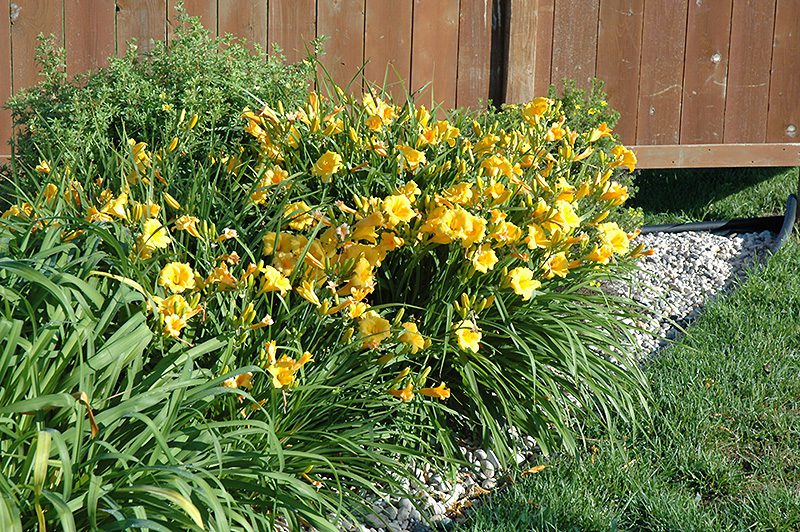
Catalogues and labels describe colour, height, and flowering period, yet few explain how a plant behaves after several seasons in ordinary soil, variable weather, and with realistic levels of care. This gap between promise and performance is especially relevant for perennials, which are expected to improve with time rather than disappoint. Daylilies, long valued for their reliability, provide a useful case study in how specialist selection can transform a familiar plant into a consistently strong garden performer. When chosen with evidence rather than appearance alone, daylilies can offer structure, resilience, and dependable flowering across a wide range of British gardens.
On the first page of any planting plan, sourcing matters. Gardeners browsing Daylily plants for sale often encounter a wide range of cultivars that look impressive in photographs but vary in garden worth. This article examines how specialist-selected daylilies are chosen, trialled, and proven, and how these practices align with broader principles used for fruit trees, apple trees, and productive garden planting more generally.
A leading specialist grower from https://swallowtail-daylilies.com/ offers the following perspective: From long-term field trials, the most valuable daylilies are those that repeat flower reliably, maintain strong foliage without excessive feeding, and cope with seasonal variation. Selection is not about novelty but about consistency. Cultivars that pass these tests form the backbone of our collections and are showcased within our daylily collections, where garden performance is the primary benchmark rather than catalogue description.
What “Proven Garden Performance” Really Means
The phrase “proven garden performance” is often used loosely, yet in specialist horticulture it has a precise meaning. It refers to plants that have demonstrated reliability over multiple seasons under non-ideal conditions. For daylilies, this includes the ability to emerge strongly in spring, withstand dry or wet summers, flower without specialist feeding regimes, and return the following year with minimal loss of vigour. Proven performance is not established in a single season, nor in a greenhouse environment, but through repeated observation in open ground.
This approach mirrors how reputable fruit tree nurseries assess apple trees. An apple variety is not judged solely on fruit appearance in its first year but on cropping consistency, disease resistance, and growth habit over time. In the same way, daylilies selected for performance are evaluated on clump development, resistance to leaf scorch or rust, and flowering duration across varying weather patterns. British summers, with their irregular rainfall and fluctuating temperatures, provide a rigorous testing ground.
Specialist growers often reject visually striking cultivars if they fail to meet these standards. A daylily that produces spectacular blooms but collapses in foliage by mid-summer is of limited garden value. Proven performers, by contrast, may appear modest at first glance but excel through their longevity and adaptability. This distinction is particularly important for gardeners seeking low-maintenance planting schemes or reliable colour in mixed borders.
Over time, these selections build a body of evidence. Notes are kept on flowering dates, rebloom tendencies, and plant health. Only those that perform consistently earn a place in specialist collections. This method ensures that when gardeners invest in plants, they receive not just a name but a history of demonstrated success.
The Specialist Selection Process Behind Reliable Daylilies
Selecting daylilies for long-term garden success is a process that combines observation, patience, and restraint. Specialists begin with a wide pool of cultivars, often including both established varieties and newer introductions. These are grown side by side under comparable conditions, allowing differences in growth habit and resilience to become clear over several seasons.
During the first year, attention is paid to establishment. Plants that struggle to settle or show signs of stress without obvious cause are noted. The second and third years are often more revealing, as true performance emerges once initial planting effects have passed. Consistent flowering, healthy foliage, and balanced clump expansion are key indicators. Excessive spread can be as problematic as weak growth, particularly in smaller gardens.
This process has parallels in orchard management. Apple trees are often trialled on different rootstocks to assess vigour and fruiting behaviour. Similarly, daylilies are observed for how they interact with surrounding plants, whether they compete aggressively or integrate well into mixed borders. Specialists favour cultivars that contribute to garden harmony rather than dominate it.
Another important factor is weather tolerance. British gardens experience both drought periods and prolonged rainfall, sometimes within the same season. Daylilies chosen for proven performance must cope with both. Those that require perfect drainage or constant moisture are less suitable for general recommendation. The aim is not to find plants that excel only in ideal conditions, but those that remain presentable and productive despite variation.
By narrowing selections through these criteria, specialists create a curated range that reflects real garden conditions. This contrasts with mass-market offerings, where selection is often driven by novelty or short-term visual impact. The result is a collection of daylilies that gardeners can trust to perform year after year.
Lessons from Fruit Trees and Apple Orchards
The principles behind specialist-selected daylilies align closely with those used in fruit tree cultivation, particularly with apple trees. In both cases, success depends on long-term observation rather than immediate results. Gardeners familiar with apple growing understand that a tree’s first few years reveal little about its ultimate value. Cropping consistency, disease resistance, and structural strength only become apparent with time.
Daylilies follow a similar pattern. While they establish more quickly than trees, their true worth is shown over successive seasons. A cultivar that flowers well in its first year but declines thereafter is comparable to an apple tree that produces early fruit but suffers from biennial bearing or disease. Specialists therefore apply a horticultural mindset that values endurance over novelty.
Another shared consideration is site adaptability. Apple trees selected for British orchards are often chosen for their ability to cope with varied soils and exposure. Likewise, daylilies selected for proven performance are those that tolerate a range of garden conditions, from lighter soils in the south-east to heavier ground in the north and west. This adaptability broadens their usefulness and reduces the need for intensive soil modification.
The comparison extends to maintenance expectations. Just as a good apple tree should not require constant intervention to remain productive, a well-chosen daylily should thrive with basic care. This includes occasional division, standard feeding, and sensible placement. Plants that demand excessive attention undermine the purpose of perennial planting.
By applying orchard-style evaluation to ornamental perennials, specialist growers bring a level of rigour that benefits gardeners. The result is planting material that behaves predictably, allowing gardeners to plan borders with confidence and avoid repeated replacements.
Integrating Proven Daylilies into the Garden
Once selected, proven daylilies can be used strategically within the garden to provide structure and continuity. Their arching foliage offers a soft contrast to shrubs and fruit trees, while their flowers introduce colour without overwhelming surrounding plants. Because they are reliable, they can form the backbone of perennial schemes rather than serving as temporary highlights.
Placement is key. Daylilies perform best in positions that receive reasonable light, though many proven cultivars tolerate partial shade. This makes them useful beneath the light canopy of young apple trees or along orchard edges, where they can suppress weeds and add seasonal interest. Their root systems are generally compatible with trees, avoiding excessive competition.
In mixed borders, daylilies selected for consistent height and spread help maintain balance. Taller varieties can echo the vertical lines of trained fruit trees, while mid-height cultivars work well alongside shrubs and grasses. The knowledge that these plants will return reliably allows gardeners to invest time in complementary planting rather than constant revision.
Maintenance remains straightforward. Proven performers rarely require staking or intensive pest control. Occasional deadheading and division every few years are usually sufficient. This ease of care aligns with the needs of gardeners who value productive gardens that remain manageable over time.
Importantly, choosing proven selections reduces the temptation to overplant. Knowing that each plant will develop as expected encourages thoughtful spacing and long-term planning. This approach reflects good orchard design, where trees are given adequate room to mature rather than crowded for immediate effect.
Sourcing and Evaluating Specialist-Selected Plants
Finding plants with genuinely proven performance requires discernment. Specialist nurseries distinguish themselves by the information they provide and the restraint they exercise in their offerings. Rather than listing hundreds of cultivars, they present curated selections backed by experience. Descriptions focus on behaviour and reliability rather than superlatives.
When evaluating sources, gardeners should look for evidence of long-term trials and clear growing advice. Specialists often describe how a plant performs in average soil, how it copes with weather extremes, and how it behaves over time. This practical information is more valuable than detailed colour descriptions alone.
The availability of Daylily plants for sale from such sources reflects a commitment to quality rather than quantity. While the range may appear narrower, it is shaped by performance data rather than fashion. This approach mirrors that of respected fruit tree nurseries, which may offer fewer apple varieties but with clear guidance on suitability and care.
Gardeners benefit by aligning their purchasing decisions with these principles. Investing in plants with a track record reduces disappointment and supports sustainable gardening practices. Plants that thrive are less likely to require replacement, saving resources and effort.
Over time, this method builds gardens that mature gracefully. Borders become more cohesive, maintenance becomes predictable, and the garden as a whole reflects informed choice rather than trial and error. Proven performance, supported by specialist selection, becomes the foundation of lasting success.
Conclusion: Performance as the Measure of Value
In gardening, longevity is the true measure of value. Plants that return each year with strength and reliability justify their place far more than those that impress briefly and fade. Specialist-selected daylilies demonstrate how careful evaluation and long-term observation can elevate a familiar plant into a dependable garden asset.
By applying principles common to fruit tree and apple orchard management, specialists ensure that daylilies offered to gardeners have earned their reputation. Proven garden performance is not a marketing phrase but the result of years of testing and selection. For British gardeners seeking resilience, balance, and enduring interest, these plants offer a practical and trustworthy choice.
Choosing with evidence in mind transforms gardening from speculation into stewardship. Whether planting a new border or integrating ornamentals beneath fruit trees, relying on proven performers creates gardens that improve with time, rewarding patience with consistent results.