
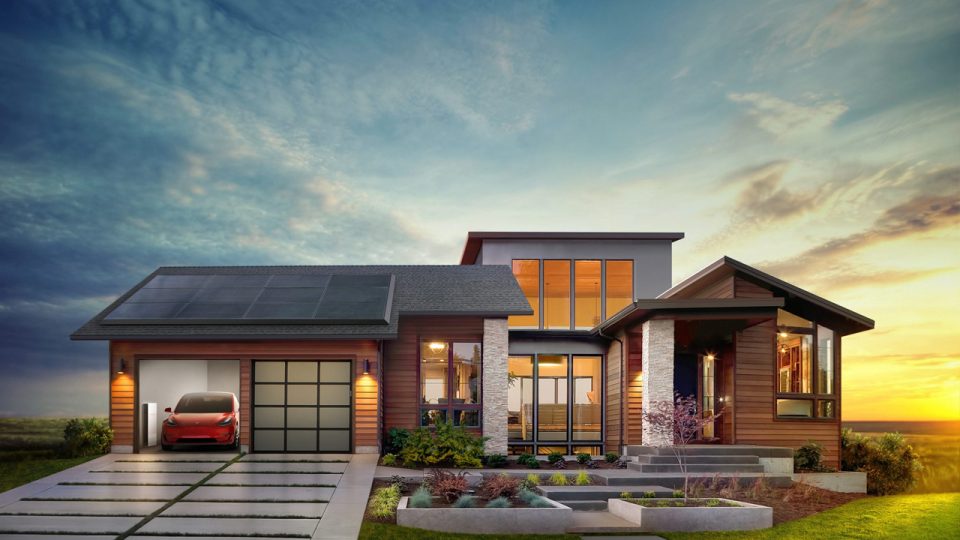
Creating an energy-efficient home isn’t just about lowering utility bills—it’s about improving comfort, reducing environmental impact, and increasing long-term property value. Small upgrades and mindful habits can dramatically cut energy waste while making your home healthier and more resilient. The key is focusing on efficiency where it matters most.
Why Energy Efficiency Matters
Homes consume a significant portion of household energy through heating, cooling, lighting, and appliances. Inefficiency leads to wasted money and unnecessary strain on energy resources.
An energy-efficient home offers:
- Lower monthly utility costs
- Improved indoor comfort
- Reduced carbon footprint
- Higher resale appeal
Efficiency upgrades often pay for themselves over time through consistent savings.
Seal Air Leaks and Improve Insulation
Air leaks and poor insulation are among the biggest sources of energy loss in homes. Conditioned air escapes, forcing heating and cooling systems to work harder.
Key areas to address include:
- Attics and crawl spaces
- Doors and window frames
- Electrical outlets and vents
Proper insulation keeps indoor temperatures stable, reducing energy demand year-round.
Upgrade to Energy-Efficient Lighting
Lighting accounts for a noticeable share of household electricity use. Traditional bulbs waste energy as heat.
Switching to efficient lighting provides:
- Lower electricity consumption
- Longer bulb lifespan
- Reduced maintenance costs
LED bulbs use significantly less energy while delivering the same brightness.
Use Smart Temperature Control
Heating and cooling systems consume more energy than any other household system. Smarter temperature management makes a major difference.
Effective strategies include:
- Installing programmable or smart thermostats
- Adjusting temperatures when away or asleep
- Maintaining HVAC systems regularly
Even small temperature adjustments can result in meaningful savings.
Choose Energy-Efficient Appliances
Older appliances often consume far more energy than necessary. Modern energy-efficient models are designed to perform better with less power.
High-impact upgrades include:
- Refrigerators and freezers
- Washing machines and dryers
- Dishwashers
Efficient appliances reduce electricity and water usage without sacrificing performance.
Improve Window Efficiency
Windows play a major role in heat gain and loss. Inefficient windows allow outdoor temperatures to affect indoor comfort.
Energy-saving window improvements include:
- Double- or triple-pane windows
- Weatherstripping and caulking
- Thermal curtains or blinds
These upgrades reduce drafts and help maintain consistent indoor temperatures.
Reduce Water Heating Energy Use
Water heating is another major energy expense. Small changes can significantly lower consumption.
Ways to improve water heating efficiency:
- Lowering the water heater temperature
- Installing low-flow showerheads
- Insulating hot water pipes
Using less hot water reduces both energy use and utility bills.
Incorporate Renewable Energy Options
Renewable energy systems can dramatically reduce dependence on traditional power sources.
Common home renewable options include:
- Solar panels
- Solar water heaters
- Battery storage systems
While initial costs may be higher, long-term savings and energy independence make renewables increasingly attractive.
Adopt Energy-Conscious Daily Habits
Technology alone isn’t enough. Everyday habits play a crucial role in energy efficiency.
Simple behavior changes include:
- Turning off lights and electronics when not in use
- Using natural light during the day
- Running appliances with full loads
Consistent habits amplify the impact of physical upgrades.
FAQ: Energy-Efficient Homes
1. What is the most cost-effective way to improve energy efficiency?
Sealing air leaks and improving insulation typically offer the highest return on investment.
2. Do energy-efficient upgrades increase home value?
Yes. Many buyers prioritize lower energy costs and modern efficiency features.
3. How much can energy efficiency reduce utility bills?
Savings vary, but many households see reductions of 20–30% or more over time.
4. Is it worth upgrading if I rent my home?
Yes. Portable upgrades like LED lighting, smart thermostats, and curtains can still reduce energy use.
5. Are smart thermostats difficult to use?
Most are user-friendly and can be controlled automatically or through mobile apps.
6. How long does it take to see savings from efficiency improvements?
Some changes reduce bills immediately, while others pay off gradually over several years.
7. Can energy efficiency improve indoor comfort?
Absolutely. Better insulation and temperature control create more consistent and comfortable living spaces.
An energy-efficient home is built through thoughtful choices, not drastic changes. By combining smart upgrades with mindful habits, you can reduce energy waste, save money, and create a home that works better for both you and the environment.