
Understanding the Concept of “Home UK”
The term Home UK goes beyond four walls and a roof. It represents a lifestyle deeply tied to British culture, architecture, and traditions. Whether you’re buying your first property, renting in a bustling city, or creating a family home in the countryside, the idea of a home in the UK is a blend of heritage, comfort, and practicality.
From terraced houses in London to stone cottages in the Cotswolds, each home reflects the region’s character. For homeowners and tenants alike, Home UK is about making a space personal while embracing the local charm.
Types of Homes in the UK
Terraced Houses
One of the most common property types, terraced houses are rows of homes sharing side walls. They are popular in cities and towns for their affordability and character.
Semi-Detached Homes
These share one wall with a neighbour, providing more privacy and garden space than terraced houses, making them attractive for families.
Detached Houses
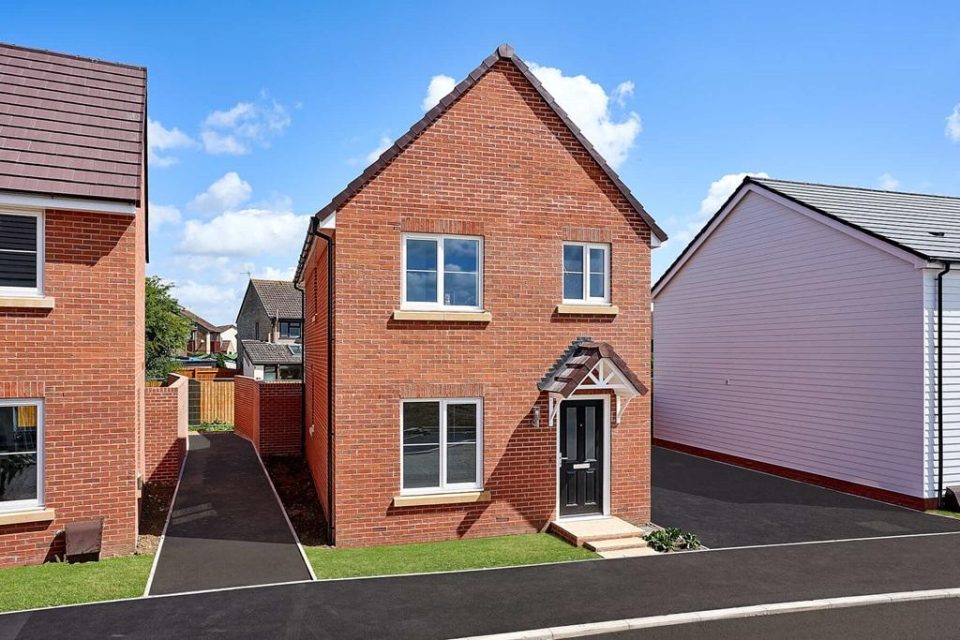
Fully independent structures, detached homes are often larger and come with private gardens, offering more freedom and flexibility.
Flats and Apartments
In cities like Manchester, Birmingham, and London, flats are highly sought after. They range from modern luxury apartments to converted period properties.
Cottages
Rural areas boast charming cottages, often built with traditional stone or brick, offering a cosy countryside lifestyle.
Bungalows
These single-storey properties are especially popular with retirees, providing ease of access and manageable spaces.
Buying a Home in the UK
The Property Market
The UK housing market varies significantly between regions. London is known for its premium prices, while the North of England often provides more affordable options. Coastal towns and rural areas are increasingly popular with buyers seeking space and tranquillity.
Steps to Buying
-
Financial Preparation: Secure a mortgage agreement in principle.
-
Property Search: Work with estate agents or online portals.
-
Legal Process: Hire a solicitor for conveyancing.
-
Surveys and Valuations: Check the structural condition and true value.
-
Exchange and Completion: Finalise contracts and officially become a homeowner.
Government Schemes
First-time buyers often benefit from government initiatives such as Shared Ownership or Lifetime ISAs, which make stepping onto the property ladder more achievable.
Renting a Home in the UK
Rental Process
Renting is straightforward but requires careful planning:
-
Budgeting: Account for rent, council tax, utilities, and deposits.
-
References: Landlords typically request proof of employment and credit checks.
-
Tenancy Agreements: Standard contracts protect both tenants and landlords.
Popular Rental Locations
-
London: Ideal for professionals seeking opportunities.
-
University Cities: Oxford, Cambridge, and Edinburgh attract students and academics.
-
Suburbs: Families often prefer suburban areas for more space and schools.
Interior Design Trends in UK Homes
Modern Minimalism
Clean lines, neutral colours, and open-plan layouts are increasingly popular in urban homes.
Cottagecore
This trend embraces cosy, vintage-inspired interiors with floral fabrics, rustic furniture, and soft lighting.
Sustainable Living
Eco-conscious homeowners are adopting natural materials, energy-efficient appliances, and smart technology to reduce their carbon footprint.
Classic British Style
Features include fireplaces, bay windows, and heritage colour schemes such as deep greens and navy.
Home Maintenance and Upgrades
Common Renovations
-
Loft Conversions: Add bedrooms or home offices.
-
Kitchen Extensions: Create open family spaces.
-
Garden Landscaping: Enhance outdoor living areas.
Energy Efficiency
Upgrades like double-glazing, insulation, and solar panels help cut costs and improve comfort.
Community and Lifestyle
A UK home is not just about the property itself but also the community around it. Many neighbourhoods organise events, support local shops, and foster a sense of belonging. Living near good schools, healthcare, and transport links greatly enhances the experience.
FAQs about Home UK
What is the average cost of a home in the UK?
Prices vary widely. London averages above £500,000, while homes in northern regions may cost under £200,000.
Can foreigners buy property in the UK?
Yes, non-UK residents can purchase property, though financing may be more complex.
How much deposit do I need to buy a house?
Typically, buyers need 5–20% of the property price as a deposit. Larger deposits often secure better mortgage deals.
What taxes are involved in buying a home?
Stamp Duty Land Tax (SDLT) applies, with different rates depending on property value and whether you’re a first-time buyer.
Is renting cheaper than buying in the UK?
It depends on the location. In some cities, renting is cheaper in the short term, but buying is often more cost-effective in the long run.
How can I make my UK home more eco-friendly?
Consider installing smart heating systems, using sustainable insulation materials, and switching to renewable energy providers.
What’s the difference between leasehold and freehold?
-
Freehold: You own the property and land outright.
-
Leasehold: You own the property for a set term but not the land it’s built on.