
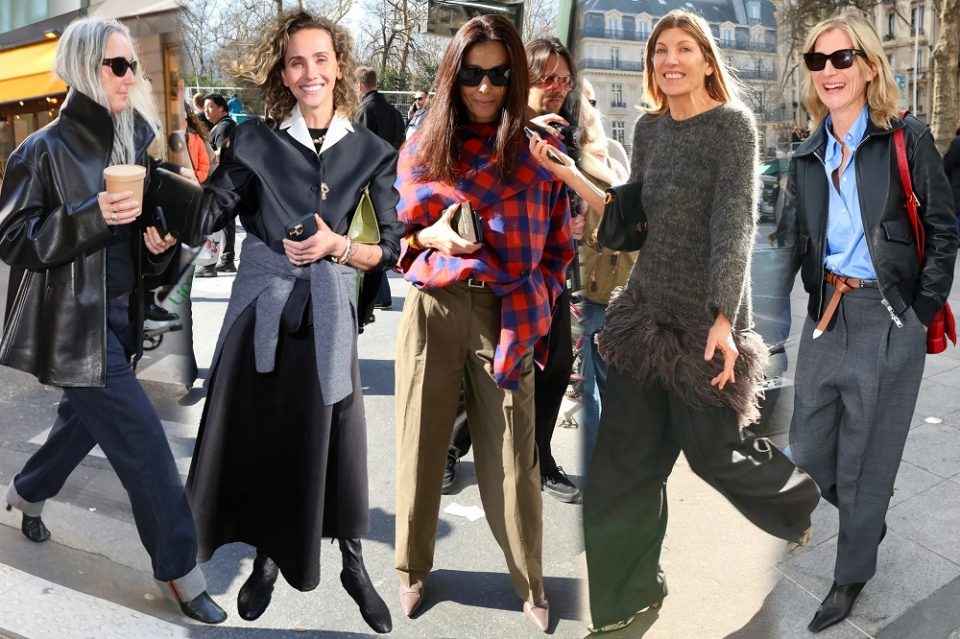
Fashion is more than clothing; it is a reflection of culture, identity, and innovation. In 2025, the fashion industry continues to evolve rapidly, shaped by sustainability demands, digital influence, and changing consumer values. From runway collections to everyday street style, fashion today balances creativity with responsibility.
Fashion as a Cultural Language
Fashion has always acted as a visual language, communicating personal beliefs, social status, and cultural roots. Modern fashion embraces diversity, blending traditional aesthetics with contemporary design.
Key cultural influences shaping fashion today include:
-
Globalization and cross-cultural inspiration
-
Social media-driven style movements
-
Revival of heritage crafts and textiles
Designers are increasingly drawing inspiration from local cultures while presenting them on a global stage.
Major Fashion Trends Defining 2025
The fashion landscape in 2025 is marked by intentional choices and expressive design. Consumers are moving away from excess and leaning toward pieces that offer meaning and longevity.
Sustainable and Ethical Fashion
Sustainability is no longer optional. Brands are adopting eco-conscious practices to reduce environmental impact.
Popular sustainable approaches include:
-
Organic and recycled fabrics
-
Low-waste pattern cutting
-
Ethical labor and transparent supply chains
Consumers now value how a garment is made as much as how it looks.
Minimalism with a Modern Twist
Minimalist fashion remains influential but has evolved beyond basic silhouettes. Clean lines are now paired with bold tailoring, textured fabrics, and subtle statement details.
Notable characteristics:
-
Neutral color palettes with accent tones
-
Versatile wardrobe staples
-
High-quality materials over quantity
Digital Fashion and Technology
Technology is reshaping how fashion is designed, marketed, and worn. Virtual fashion shows, AI-assisted design, and digital clothing for avatars are becoming mainstream.
Emerging innovations include:
-
Augmented reality fitting rooms
-
AI-powered trend forecasting
-
Digital-only fashion collections
The Role of Social Media and Influencers
Social media platforms continue to dictate trends at an unprecedented speed. Influencers, stylists, and content creators act as modern tastemakers, often setting trends before fashion weeks begin.
Short-form video content has especially transformed how styles spread, making fashion more accessible and interactive than ever.
Fashion and Personal Identity
Fashion in 2025 prioritizes individuality. Consumers are encouraged to experiment, mix styles, and reject rigid fashion rules. Gender-neutral clothing, inclusive sizing, and adaptive fashion are gaining wider acceptance.
This shift highlights fashion as a tool for self-expression, not conformity.
The Future of Fashion
Looking ahead, fashion is expected to become even more:
-
Sustainable
-
Technology-driven
-
Inclusive and personalized
Brands that adapt to these values will shape the next era of global fashion.
Frequently Asked Questions (FAQs)
What defines modern fashion in 2025?
Modern fashion focuses on sustainability, individuality, and the integration of technology with design.
Why is sustainability important in fashion?
The fashion industry has a significant environmental impact, and sustainable practices help reduce waste, pollution, and unethical labor.
How does technology influence fashion today?
Technology supports virtual try-ons, digital fashion, AI-driven design, and smarter supply chains.
Are fashion trends changing faster than before?
Yes, social media and digital platforms accelerate trend cycles more than traditional fashion calendars.
What is gender-neutral fashion?
Gender-neutral fashion offers designs that are not restricted to traditional male or female categories, promoting inclusivity.
How can consumers build a sustainable wardrobe?
By choosing quality over quantity, supporting ethical brands, and opting for timeless pieces.
Is minimalism still relevant in fashion?
Yes, but it has evolved to include creative tailoring, texture, and modern design elements.